

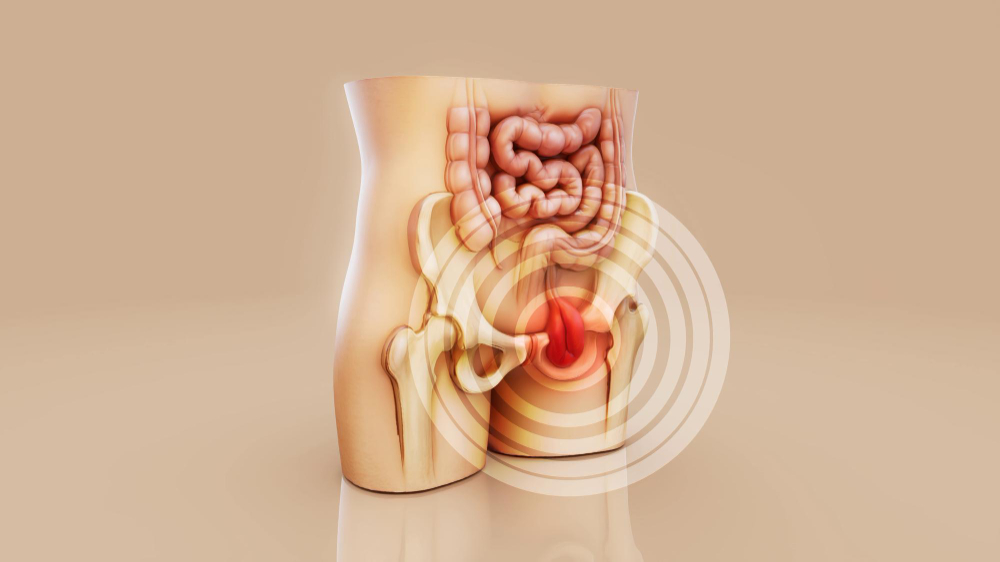
Hernias are extremely common, affecting millions of people every year. Yet one question almost every patient asks is:
“Do all hernias require surgery?”
The short answer is: 👉 Not always immediately — but most hernias will eventually need surgery.
However, the type, size, location, and symptoms of the hernia play a major role in deciding the treatment plan.
In this blog, we break down medical facts, doctor opinions, and the biggest myths patients believe about hernia treatment.
⭐ Understanding a Hernia: Why It Happens
A hernia occurs when an internal organ or tissue pushes through a weak spot in muscles. Common areas:
- Inguinal (groin)
- Umbilical (belly button)
- Hiatal (upper stomach)
- Incisional (post-surgery area)
- Ventral (abdominal wall)
Since the opening in the muscle does not heal on its own, hernias tend to grow over time.
🩺 Do All Hernias Need Surgery?
1. Symptomatic Hernias → Surgery Recommended
If the hernia causes pain, discomfort, swelling, or affects daily activities, doctors strongly recommend surgery.
Common symptoms:
- Pain while lifting, coughing, walking
- Visible bulge that increases on standing
- Burning sensation
- Heaviness in abdomen
- Difficulty doing physical activities
👉 In such cases, surgery is the safest and most effective option.
2. Asymptomatic Hernias → Monitoring May Be Possible
Some hernias are small and painless. Doctors may choose “watchful waiting” if:
- The hernia is very small
- There are no symptoms
- It is not growing
- Patient has health issues making surgery risky
But even then:
🔸 Monitoring is essential
🔸 Sudden pain or swelling requires immediate medical evaluation
Because hernias never shrink and can enlarge over time, surgery is often needed eventually.
⚠️ When Hernia Surgery Becomes URGENT
1. Incarcerated Hernia
Symptoms: severe pain, nausea, vomiting.
2. Strangulated Hernia
Blood supply to the organ is cut off — this is life-threatening.
Symptoms include:
- Intense pain
- Red or dark skin over the bulge
- Fever
- Vomiting
- Inability to pass gas or stool
👉 A strangulated hernia is a medical emergency. Immediate surgery is the only treatment.
⚠️Doctor’s Opinion: Why Surgery is the Most Effective Treatment
According to most specialists:
- Hernias don’t heal naturally
- Laparoscopic surgery is now safe, fast, and minimally invasive
- Recurrence risk is low with mesh repair
- Recovery is usually quick (1–7 days for routine activities)
Doctors recommend early surgery to avoid complications and long-term pain.
🔍 Top Myths About Hernias — Busted
❌ Myth 1: “A hernia will disappear on its own.”
✔ Fact: Hernias never go away without surgery.
❌ Myth 2: “Massaging or pushing the bulge back will cure it.”
✔ Fact: This may temporarily reduce the bulge, but the opening in the muscle remains.
❌ Myth 3: “If there is no pain, treatment is not needed.”
✔ Fact: Even painless hernias can suddenly worsen or become strangulated.
❌ Myth 4: “Surgery is risky and major.”
✔ Fact: Most hernia repairs today are laparoscopic, with tiny cuts, less pain, and quick recovery.
❌ Myth 5: “Hernias only happen to men.”
✔ Fact: Women can also get inguinal, femoral, umbilical, and hiatal hernias.
Final Verdict: Do All Hernias Require Surgery?
👉 Not all need immediate surgery, but all need evaluation.
👉 Early treatment = safer + easier recovery + fewer complications.
If you suspect a hernia or need guidance, consult the nohernia team now.