
Introduction
A hernia is a common condition that occurs when an internal organ or tissue pushes through a weak spot in the surrounding muscle. It most often develops in the abdomen or groin area and may begin with subtle symptoms that are easy to ignore. However, a hernia does not heal on its own, and early recognition is important to prevent complications and ensure effective treatment.
Why Early Detection Matters
A hernia is a common condition that occurs when an internal organ or tissue pushes through a weak spot in the surrounding muscle. It most often develops in the abdomen or groin area and may begin with subtle symptoms that are easy to ignore. However, a hernia does not heal on its own, and early recognition is important to prevent complications and ensure effective treatment.
5 Early Signs of Hernia You Should Never Ignore
Noticeable Bulge or Lump
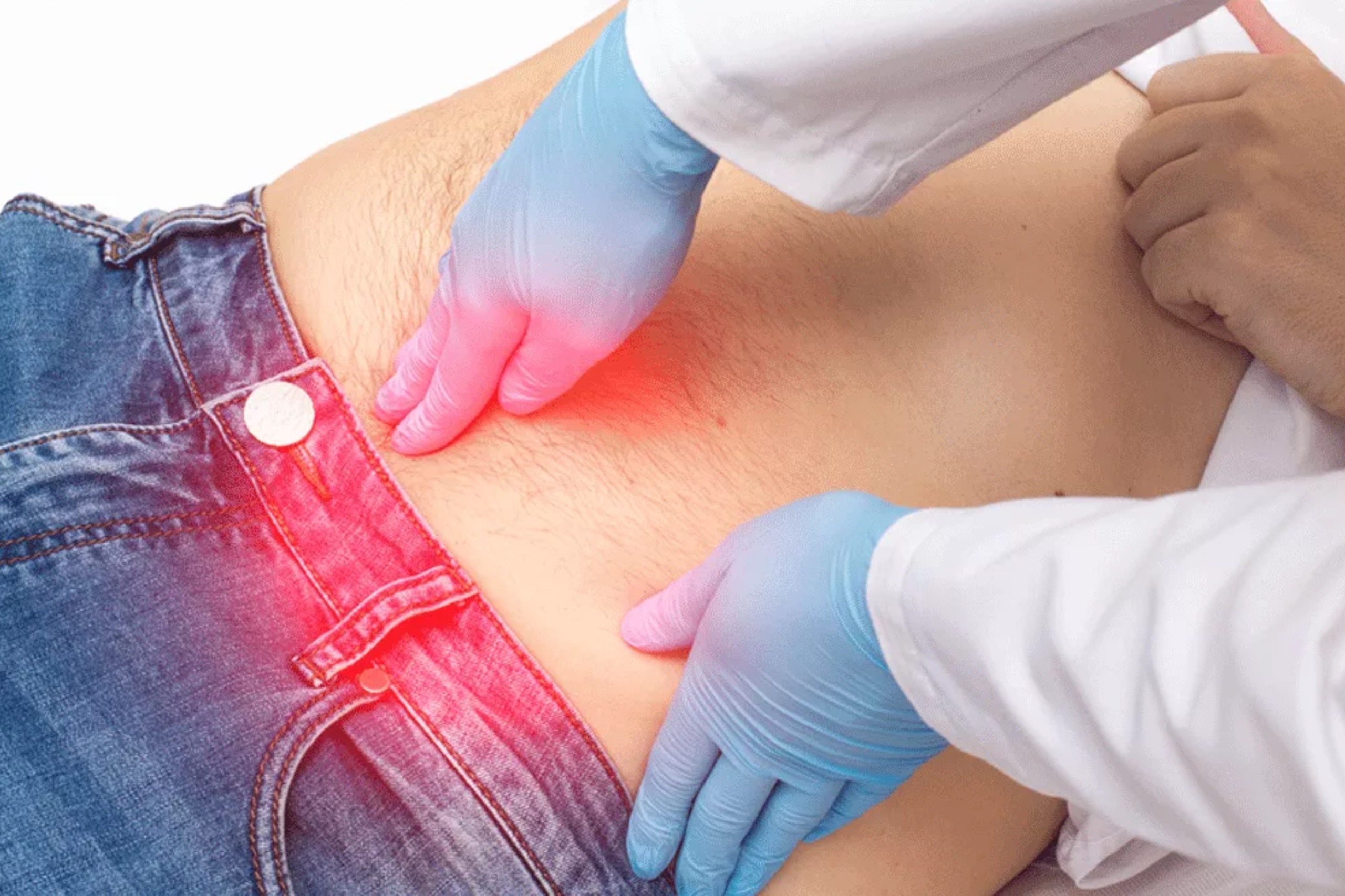
One of the earliest and most recognizable signs of a hernia is a small bulge or lump under the skin. This bulge is usually visible in the abdomen, groin, or near the belly button. It often becomes more noticeable when standing, coughing, or straining and may disappear when lying down. Although it may not cause pain initially, it is an important sign that should not be ignored.
Mild Pain or Discomfort
In the majority of individuals, a hernia is a painless swelling. In the early stages, a hernia may cause mild pain or discomfort that feels like pressure or a dull ache. This discomfort is commonly experienced during activities such as lifting heavy objects, bending, or prolonged standing. While the pain may seem manageable at first, it can gradually increase if left untreated.
Feeling of Heaviness or Pressure
Many people with a developing hernia experience a sensation of heaviness or pressure in the affected area. This feeling is often described as a dragging sensation, especially in the lower abdomen or groin. It may become more noticeable toward the end of the day or after physical activity.
Aching Sensation
A hernia can also cause an aching feeling around the bulge. This happens due to irritation of the surrounding tissues as they are pushed through the weakened muscle. The discomfort may worsen with movement, prolonged standing, or physical exertion.
Discomfort During Daily Activities
As the hernia progresses, simple daily activities such as walking, bending, or exercising may become uncomfortable. You may notice that tasks that were once easy now cause strain or pain. This is a sign that the hernia is affecting your normal body function and requires attention.
What Causes a Hernia?
Hernias typically develop due to a combination of muscle weakness and strain. Factors such as heavy lifting, chronic coughing, obesity, constipation, pregnancy, and aging can increase the risk. Over time, these factors place pressure on the muscles, allowing tissues to push through weakened areas.
Prevention Tips
Hernias typically develop due to a combination of muscle weakness and strain. Factors such as heavy lifting, chronic coughing, obesity, constipation, pregnancy, and aging can increase the risk. Over time, these factors place pressure on the muscles, allowing tissues to push through weakened areas.
Treatment Options
Hernias typically develop due to a combination of muscle weakness and strain. Factors such as heavy lifting, chronic coughing, obesity, constipation, pregnancy, and aging can increase the risk. Over time, these factors place pressure on the muscles, allowing tissues to push through weakened areas.
When to See a doctor
Hernias typically develop due to a combination of muscle weakness and strain. Factors such as heavy lifting, chronic coughing, obesity, constipation, pregnancy, and aging can increase the risk. Over time, these factors place pressure on the muscles, allowing tissues to push through weakened areas.
Conclusion
A hernia may start with mild symptoms, but it should never be ignored. Recognizing the early signs can help you take timely action and avoid serious health risks. Paying attention to your body and seeking medical advice when needed can make a significant difference in your overall well-being.
Pain and Complications
Both procedures are generally safe when performed by experienced surgeons. Studies show similar long-term
success rates for both methods.
• Laparoscopic surgery may result in less immediate post-operative pain.
• Open surgery has a long track record and may be preferred in certain complex or high-risk cases.
• Recurrence rates are low for both techniques when mesh repair is used properly.
The key is choosing the right technique for your specific condition—not just the newest
one.
Take Action Today
If you are experiencing any of these symptoms, consult a qualified healthcare professional or visit nohernia for expert diagnosis and advanced treatment options. Early care can help you recover faster and live more comfortably.