

Introduction
A hernia may start as a small, painless bulge that seems harmless. Because symptoms can sometimes be mild, many people delay treatment. However, a hernia usually does not heal on its own and may become more problematic over time.
What Is a Hernia?
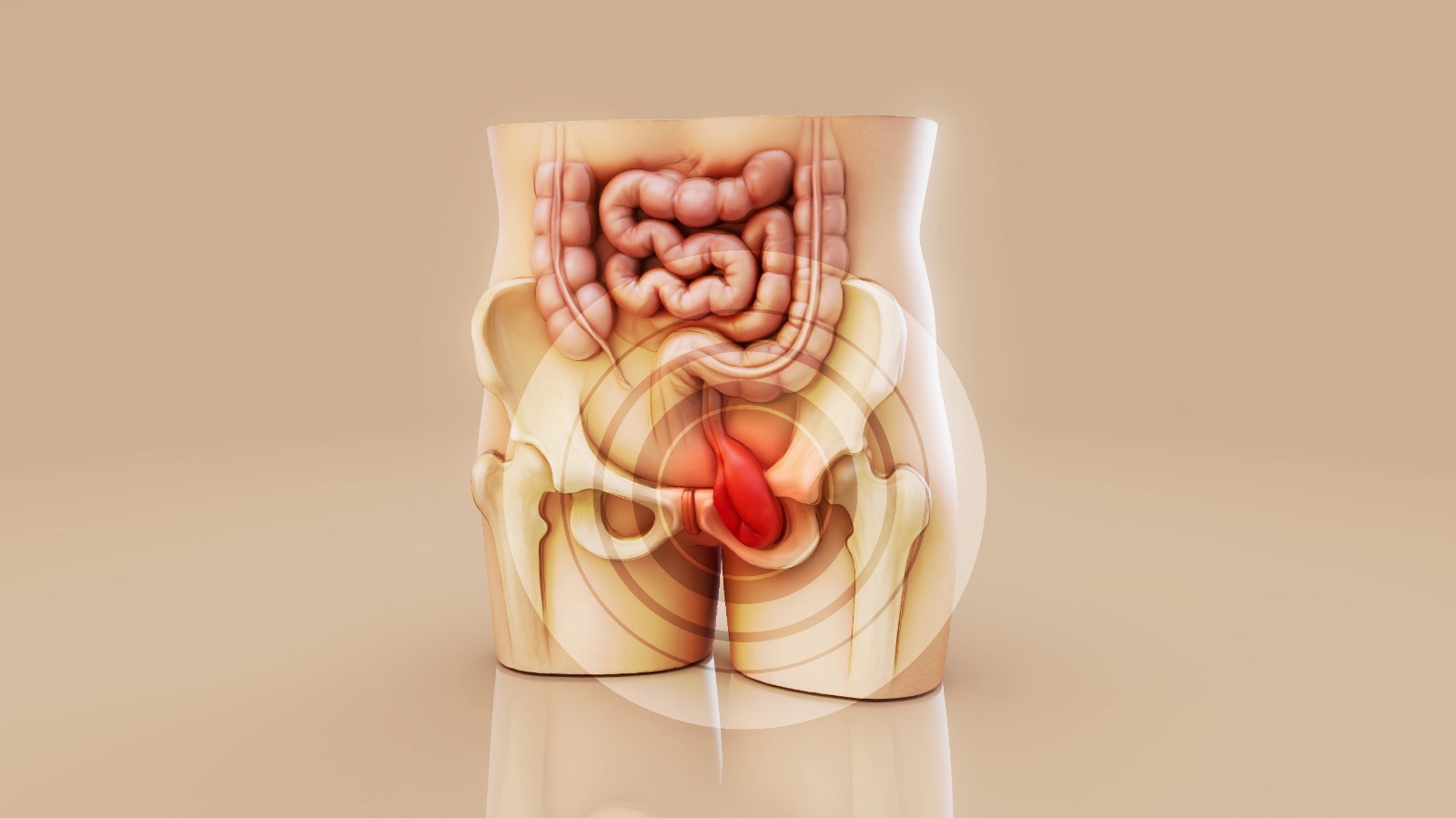
A hernia occurs when an internal organ or tissue pushes through a weak area in the surrounding muscle or connective tissue. It commonly appears as a bulge in the abdomen or groin.
Common Types of Hernia
- Inguinal hernia
- Umbilical hernia
- Incisional hernia
- Femoral hernia
- Hiatal hernia
The bulge may become more noticeable when coughing, lifting something heavy, standing, or straining.
Can a Hernia Go Away on Its Own?
In most cases, no. A hernia does not repair itself naturally because the underlying weakness in the abdominal wall remains. Symptoms may remain stable for some time, but the hernia can gradually increase in size or become more uncomfortable.
What Happens If a Hernia Is Left Untreated?
1. The Hernia May Increase in Size
A hernia may gradually become larger. Activities that increase abdominal pressure, such as heavy lifting, persistent coughing, or straining, may make the bulge more noticeable.
2. Pain and Discomfort May Increase
You may experience groin or abdominal discomfort, pressure or heaviness, pain while lifting, discomfort when coughing or sneezing, or pain after prolonged standing or physical activity.
3. The Hernia May Become Incarcerated
An incarcerated hernia occurs when the protruding tissue becomes trapped and cannot easily be
pushed back into the abdomen. This can cause increasing pain and swelling and may require urgent
medical assessment.
4. It Can Lead to Strangulation
Strangulation occurs when the blood supply to trapped tissue is reduced or cut off. This is a medical emergency and may require urgent surgery.
Warning Signs That Need Urgent Medical Attention
Sudden or severe pain; a firm or very tender hernia bulge; nausea or vomiting; abdominal swelling; difficulty passing stool or gas; or fever can be warning signs of a serious complication. Seek emergency medical attention if these symptoms occur.
Can an Untreated Hernia Affect Daily Life?
Yes. As a hernia grows or becomes painful, it may interfere with exercise, lifting objects, work, or other daily activities. Persistent discomfort can affect quality of life.
Does Every Hernia Require Surgery?
Not every hernia is treated in exactly the same way. The appropriate approach depends on the type and size of the hernia, symptoms, risk of complications, and overall health. A qualified doctor or hernia specialist can assess the condition and recommend an appropriate treatment plan.
When Should You See a Doctor?
Consider medical evaluation if you notice a new lump or bulge in the abdomen or groin, a bulge that becomes larger over time, persistent pain or discomfort, pain during lifting or physical activity, a bulge that becomes difficult to push back, or sudden changes in an existing hernia.
Don't Ignore a Hernia
A small hernia may not seem serious, especially when it causes little discomfort. However, ignoring a hernia indefinitely is not recommended because it can become larger, more painful, or develop complications. If you notice a persistent bulge or symptoms that concern you, speak with a qualified healthcare professional for an appropriate evaluation.
Take the Next Step Toward Better Hernia Care
Don’t let a hernia interfere with your daily life. Get evaluated by a qualified hernia specialist and understand your treatment options.
Visit NoHernia to learn more about hernia treatment and care